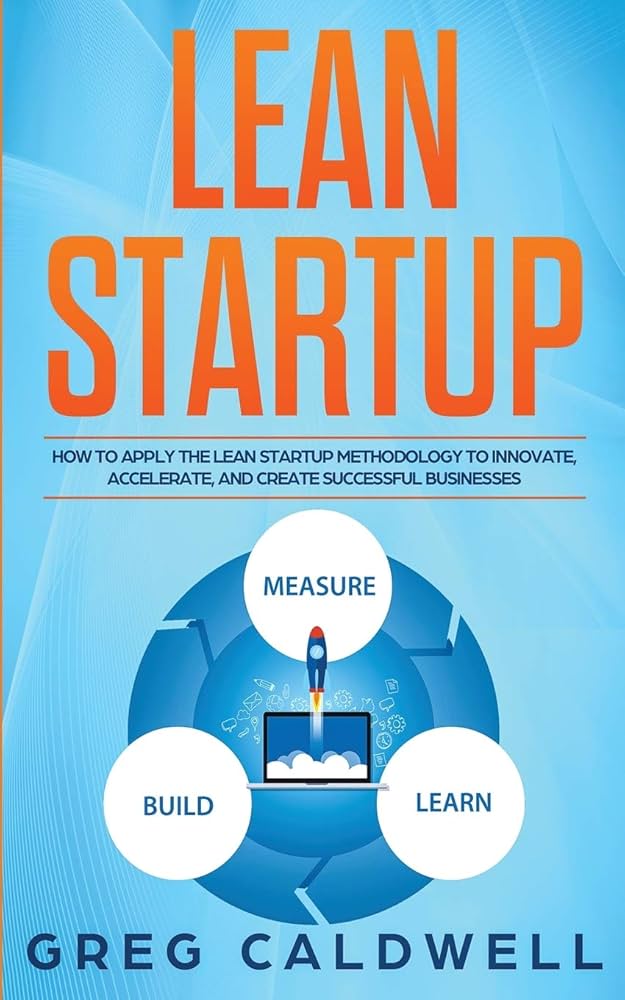
Launching a startup in 2025 doesn’t require millions in funding or a massive team it requires speed, strategy, and smarts. The Lean Startup method, made popular by Eric Ries, is more relevant now than ever before. It’s not just a framework; it’s a mindset—and it’s helping modern entrepreneurs build faster, cheaper, and with more precision.
If you’re ready to turn your big idea into a real business without wasting time or money, this article is your roadmap.
What Is a Lean Startup?
A Lean Startup focuses on validating ideas quickly, building a minimum viable product (MVP), and learning from real customers early and often.
The key principles:
- Build → Measure → Learn
- Launch fast, test early
- Minimize waste
- Prioritize customer feedback
- Adapt rapidly
It’s about starting small, failing smart, and growing with purpose.
Why Lean Works in 2025
Today’s digital ecosystem makes lean launching not only possible—but optimal.
- No-code tools like Webflow, Glide, and Bubble help you build MVPs in days
- AI platforms like ChatGPT and Jasper reduce the cost of content and operations
- Market access is global—you can reach your ideal customer from day one
- Remote work and freelancers give you flexible, on-demand talent
You don’t need a huge budget—you need a clear focus and a fast feedback loop.
Step-by-Step: How to Launch Lean in 2025
1. Start with a Problem, Not a Product
Great startups solve painful problems. Identify:
- Who your customer is
- What challenge they’re facing
- Why current solutions fall short
Interview potential users. Validate that the problem is real and urgent.
2. Build Your MVP (Minimum Viable Product)
Your MVP should be the simplest version of your solution that delivers value.
It could be:
- A no-code app
- A service landing page
- A basic version of your platform
- Even a manual, behind-the-scenes process that proves demand
Focus on function, not perfection. Speed wins.
3. Launch to a Small Audience First
Don’t wait for a “perfect launch.” Share your MVP with:
- Friends and network
- Early waitlist subscribers
- Niche online communities
- Reddit, Product Hunt, LinkedIn
Ask them to use it, break it, and give honest feedback.
4. Measure What Matters
Forget vanity metrics. Track:
- Are people using it more than once?
- Are they referring others?
- Are they willing to pay?
Use tools like Mixpanel, Google Analytics, or Hotjar to watch how users behave not just what they say.
5. Learn, Iterate, Repeat
Take the feedback, apply it fast, and re-launch. This loop is your engine:
- What are people struggling with?
- What feature do they keep asking for?
- What’s unnecessary?
The faster you learn, the faster you grow.
6. Focus on Real Revenue Early
Lean startups don’t chase funding they chase paying customers.
In 2025:
- Use Gumroad, Stripe, or LemonSqueezy to start selling quickly
- Offer early access pricing or subscriptions
- Validate pricing and demand in real time
Start small. Grow with cash, not just hope.
Real Examples of Lean Success
- Buffer started with a landing page and email signup.
- Dropbox used a simple explainer video to test demand before building.
- Notion released early versions to small user groups and improved based on feedback.
These businesses didn’t guess they tested, learned, and adapted.
Final Thoughts: Build Smart, Grow Lean
In a time where tools are cheap, access is global, and speed is everything—the Lean Startup model is your best friend.
Don’t wait for perfect. Don’t overbuild. Don’t waste months (or money) on features no one wants.
Launch smart. Learn fast. Grow real.
Because in 2025, the smartest startups don’t just start lean they stay lean and win big.
 Businize