Author: ellisellisrowe9

  • What to Look for in a 3PL Provider

    Choosing the right third-party logistics (3PL) provider can either make your e-commerce business smoother or become a constant headache. If you’re evaluating options, there are a few key things to keep in mind. Not all providers are created equal, and your choice directly impacts your customer experience, operations, and overall growth.

    A strong e-commerce fulfillment service should feel like an extension of your team. At Save Rack, we’ve built our entire operation around supporting businesses just like yours. So, what should you look for in a 3PL?

    1. Seamless Integration
    You shouldn’t have to jump through hoops to sync your store. Look for a provider that offers seamless integration with major platforms, without added fees. Save Rack connects with over 100 marketplaces, ensuring real-time inventory updates and order tracking without tech headaches.

    2. Speed and Accuracy
    Customers expect fast shipping and correct orders every time. Save Rack’s e-commerce fulfillment service offers same-day shipping and a high accuracy rate because we know how critical speed and precision are in building trust.

    3. Transparent Pricing and No Hidden Fees
    No one likes surprise charges. Choose a provider who’s upfront about their pricing. Our clients appreciate that Save Rack keeps things simple and honest, just how business should be.

    4. Customer Support Thay Supports
    When you have questions, you deserve real answers—not automated replies. Save Rack prides itself on responsive, human-centered support. Because let’s face it, you can’t afford to wait when something needs attention.

    5. Flexibility and Scalability
    Your fulfillment needs today might not be your needs next year. The right 3PL partner grows with you. Save Rack started in Florida as a small company with big ambitions, so we understand scaling firsthand.

    6. Reputation and Values
    Finally, look beyond just logistics. Do they value Trust, Accountability, Communication, and Customer Experience? We do, and it shows in every order we fulfill.

    Choosing the right e-commerce fulfillment service is about more than shipping—it’s about finding a partner who understands your business. At Save Rack, we’re committed to making your life easier while keeping your customers happy.

    Want to learn more? Give us a call at 515-717-0429 and let’s talk about how Save Rack can help simplify your fulfillment.

    This article was written by a professional at Save Rack, a trusted 3PL fulfillment provider offering temperature-controlled warehousing, real-time inventory management, and seamless integration with 100+ platforms. With a 3PL Fulfillment Center Forida, they help ecommerce businesses scale with ease.


  • Building Business Resilience: Lessons from Founders Who Thrived in Uncertainty

    Building Business Resilience: Lessons from Founders Who Thrived in Uncertainty

    In a world where change is the only constant, resilience has become the most valuable currency in business. Economic downturns, tech disruption, shifting markets, and global crises have taught founders that it’s not just about how fast you grow it’s about how well you bounce back.

    The startups that thrive in uncertainty aren’t always the biggest or best-funded. They’re the ones led by adaptable, resourceful, and resilient entrepreneurs.

    In this article, we’ll explore what it means to build a resilient business and share lessons from founders who didn’t just survive chaos, but used it to grow stronger.

    Why Resilience Matters More Than Ever

    Startups in 2025 are facing:

    • Inflation and rising costs
    • Tighter funding environments
    • Rapid AI and tech shifts
    • Global supply chain issues
    • Changing consumer behavior

    In this environment, resilience isn’t a “nice to have” it’s your survival strategy.

    “Resilience is the ability to withstand shock and still function. It’s not about avoiding stress it’s about managing through it.”
    Harvard Business Review

    What Makes a Business Resilient?

    A resilient business is:

    • Adaptable: Can pivot quickly when needed
    • Resourceful: Makes smart use of time, money, and tools
    • Customer-focused: Listens and responds fast
    • Financially lean: Manages cash wisely
    • Mission-driven: Has a clear “why” that keeps the team focused

    5 Lessons from Founders Who Thrived in Tough Times

    1. Be Ready to Pivot (Fast)

    When the pandemic hit, Airbnb’s bookings tanked but CEO Brian Chesky refocused on local experiences and long-term stays. That pivot helped the company recover and later go public.

    Lesson: Don’t fall in love with your product—fall in love with the problem you’re solving.

    2. Double Down on Core Customers

    Mailchimp thrived during market downturns by focusing entirely on small businesses their core audience. Instead of chasing shiny trends, they built deeper relationships with loyal users.

    Lesson: In tough times, loyalty matters more than reach.

  • Revenue-First Startups: Why Profitability Matters More Than Ever

    Revenue-First Startups: Why Profitability Matters More Than Ever

    For years, the startup playbook emphasized growth at all costs. Founders were told to focus on user acquisition, raise venture capital, and worry about profits later. But 2025 tells a different story.

    In today’s economic landscape, revenue-first startups are leading the way—because profitability is no longer just a milestone; it’s a mindset. In a market where capital is tighter and investors demand real results, startups that prioritize profit from day one are gaining traction, trust, and long-term stability.

    Here’s why going revenue-first might be the smartest move for your startup this year.

    What Is a Revenue-First Startup?

    A revenue-first startup focuses on:

    • Generating income early in the business journey
    • Building a business model that supports cash flow from the start
    • Prioritizing customers over investors
    • Proving demand through paid users not vanity metrics

    This approach flips the traditional model. Instead of building for investors, you’re building for customers and getting paid for it.

    Why the Old Model Is Fading

    The old model was:

    1. Raise funding
    2. Grow fast
    3. Burn cash
    4. Maybe turn profitable later

    But in 2025, the tides have shifted:

    • Investor capital is more selective
    • High burn rates are riskier than ever
    • Customer trust is earned through sustainable value
    • Economic uncertainty demands smarter budgeting

    Startups that can stand on their own financially are more attractive, more durable, and less dependent.

    5 Reasons to Go Revenue-First in 2025

    1. You Stay in Control

    When you generate revenue early, you don’t need to chase funding—or give up equity. You can:

    • Grow on your own terms
    • Set your own strategy
    • Make decisions based on what customers need—not what investors want

    Profit = Freedom.

    2. You Prove Real Market Demand

    When people are willing to pay, it’s the strongest signal that your product is solving a real problem.

    • You validate your idea faster
    • You avoid building features no one wants
    • You attract better-fit customers

    No more guessing. Just real feedback from paying users.

    3. You Build a Healthier Business Model

    A revenue-first mindset means:

    • Lower burn rates
    • More efficient operations
    • Smarter hiring and spending
    • A clear path to profitability

    This makes your startup more resilient especially in uncertain markets.

    4. Investors Prefer Profitable Businesses

    Ironically, when you don’t need investors, they start chasing you. A profitable or revenue-generating startup is more:

    • Credible
    • Attractive
    • Scalable

    In 2025, many top VCs are looking for post-revenue, cash-efficient startups. Profit shows discipline and disciplined founders build sustainable businesses.

    5. You Focus on What Truly Matters

    When you have to earn revenue from the start, your priorities shift:

    • Customer experience becomes central
    • Marketing becomes smarter, not louder
    • Product-market fit is mandatory not optional

    A revenue-first mindset forces you to build a business, not just a product.

    How to Start Revenue-First

    Here’s how founders can apply this model today:

    • Start charging early – Even during beta, offer premium access
    • Build a lean MVP – Focus only on features people will pay for
    • Use low-cost channels – Leverage organic marketing, referrals, and partnerships
    • Keep your ops tight – Use freelancers, no-code tools, and automation
    • Track cash flow religiously – Every dollar in or out matters

    The earlier you bring in revenue, the more control you gain—and the stronger your startup becomes.

    Real-World Examples

    • Basecamp built profitable SaaS tools with a small team and no outside funding
    • ConvertKit bootstrapped its way to millions in annual recurring revenue
    • Gumroad pivoted into profitability by focusing on creators, not investors

    These companies didn’t just survive they thrived. Not by chasing hype, but by chasing revenue and results.

    Final Thought: Profit Is the New Growt

    In 2025, the startup world is waking up: Revenue is not the enemy of innovation it’s the proof of it.

    If you’re building a business that solves a real problem, people will pay. Start there. Stay lean. Earn your growth. And remember:

    Revenue-first isn’t just a strategy. It’s a commitment to building something real.

  • Mastering the Lean Startup: How to Launch Smart in 2025

    Mastering the Lean Startup: How to Launch Smart in 2025

    Launching a startup in 2025 doesn’t require millions in funding or a massive team it requires speed, strategy, and smarts. The Lean Startup method, made popular by Eric Ries, is more relevant now than ever before. It’s not just a framework; it’s a mindset—and it’s helping modern entrepreneurs build faster, cheaper, and with more precision.

    If you’re ready to turn your big idea into a real business without wasting time or money, this article is your roadmap.

    What Is a Lean Startup?

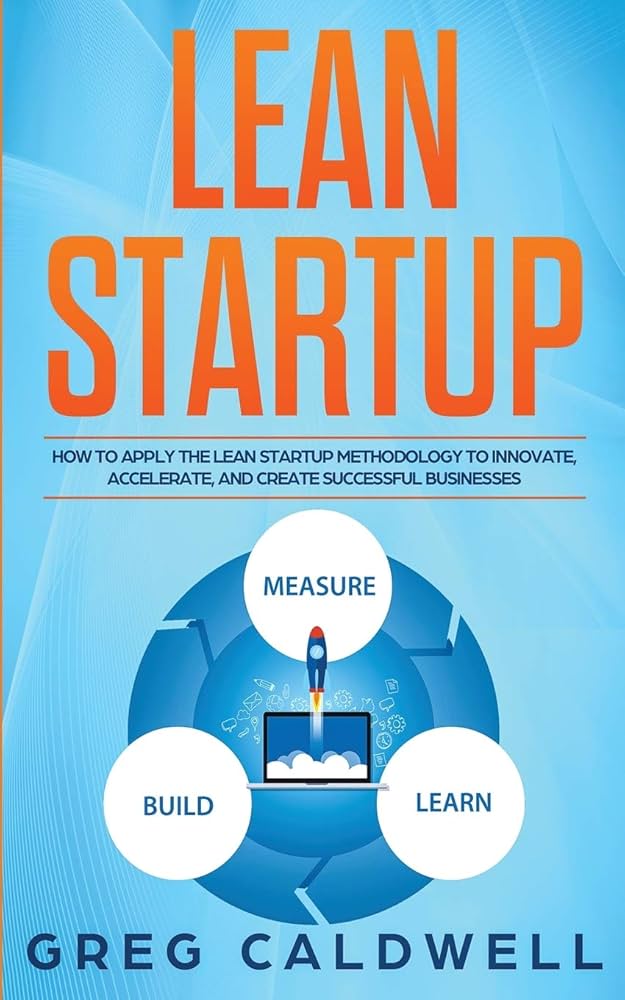
    A Lean Startup focuses on validating ideas quickly, building a minimum viable product (MVP), and learning from real customers early and often.

    The key principles:

    • Build → Measure → Learn
    • Launch fast, test early
    • Minimize waste
    • Prioritize customer feedback
    • Adapt rapidly

    It’s about starting small, failing smart, and growing with purpose.

    Why Lean Works in 2025

    Today’s digital ecosystem makes lean launching not only possible—but optimal.

    • No-code tools like Webflow, Glide, and Bubble help you build MVPs in days
    • AI platforms like ChatGPT and Jasper reduce the cost of content and operations
    • Market access is global—you can reach your ideal customer from day one
    • Remote work and freelancers give you flexible, on-demand talent

    You don’t need a huge budget—you need a clear focus and a fast feedback loop.

    Step-by-Step: How to Launch Lean in 2025

    1. Start with a Problem, Not a Product

    Great startups solve painful problems. Identify:

    • Who your customer is
    • What challenge they’re facing
    • Why current solutions fall short

    Interview potential users. Validate that the problem is real and urgent.

    2. Build Your MVP (Minimum Viable Product)

    Your MVP should be the simplest version of your solution that delivers value.

    It could be:

    • A no-code app
    • A service landing page
    • A basic version of your platform
    • Even a manual, behind-the-scenes process that proves demand

    Focus on function, not perfection. Speed wins.

    3. Launch to a Small Audience First

    Don’t wait for a “perfect launch.” Share your MVP with:

    • Friends and network
    • Early waitlist subscribers
    • Niche online communities
    • Reddit, Product Hunt, LinkedIn

    Ask them to use it, break it, and give honest feedback.

    4. Measure What Matters

    Forget vanity metrics. Track:

    • Are people using it more than once?
    • Are they referring others?
    • Are they willing to pay?

    Use tools like Mixpanel, Google Analytics, or Hotjar to watch how users behave not just what they say.

    5. Learn, Iterate, Repeat

    Take the feedback, apply it fast, and re-launch. This loop is your engine:

    • What are people struggling with?
    • What feature do they keep asking for?
    • What’s unnecessary?

    The faster you learn, the faster you grow.

    6. Focus on Real Revenue Early

    Lean startups don’t chase funding they chase paying customers.

    In 2025:

    • Use Gumroad, Stripe, or LemonSqueezy to start selling quickly
    • Offer early access pricing or subscriptions
    • Validate pricing and demand in real time

    Start small. Grow with cash, not just hope.

    Real Examples of Lean Success

    • Buffer started with a landing page and email signup.
    • Dropbox used a simple explainer video to test demand before building.
    • Notion released early versions to small user groups and improved based on feedback.

    These businesses didn’t guess they tested, learned, and adapted.

    Final Thoughts: Build Smart, Grow Lean

    In a time where tools are cheap, access is global, and speed is everything—the Lean Startup model is your best friend.

    Don’t wait for perfect. Don’t overbuild. Don’t waste months (or money) on features no one wants.

    Launch smart. Learn fast. Grow real.

    Because in 2025, the smartest startups don’t just start lean they stay lean and win big.

Design a site like this with WordPress.com
Get started