Customer expectations are evolving faster than ever. Businesses are turning to technology not just to keep up, but to create memorable experiences that build loyalty and trust. From personalized interactions to seamless transactions, these upgrades are reshaping how customers engage with brands.
Let’s explore five innovations that are making the biggest impact today.
Self-Service Kiosks That Empower Customers
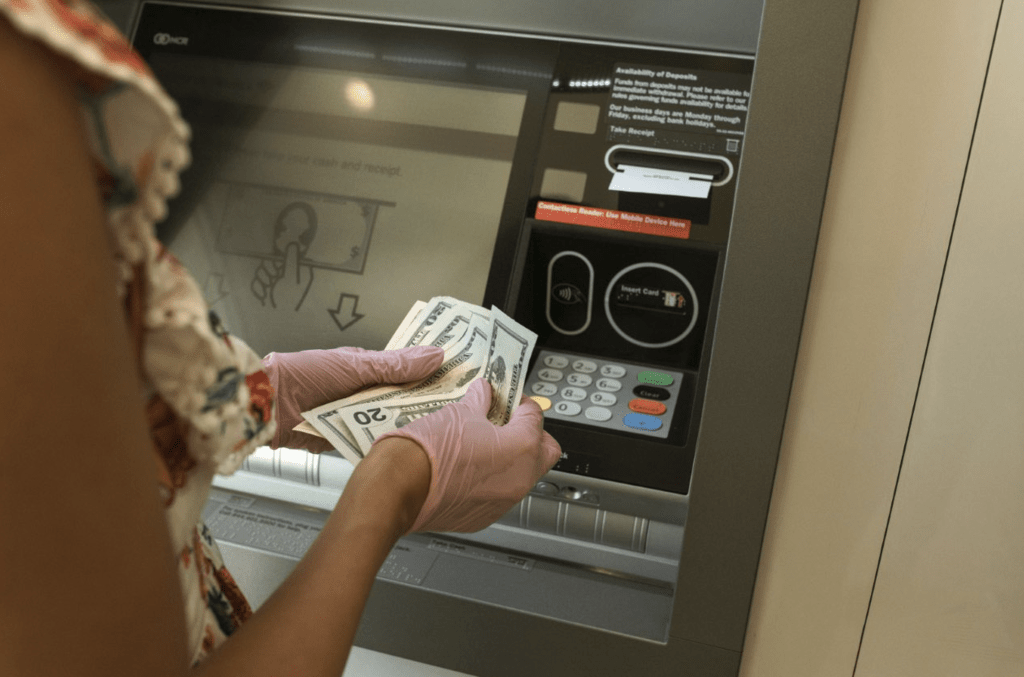
Self-service technology has become a cornerstone of modern customer experience. Kiosk machines allow customers to complete tasks quickly, whether it’s checking in at a hotel, ordering food at a restaurant, or making a payment at a bank. These systems reduce wait times, improve accuracy, and give customers more control over their interactions. Businesses benefit too, as kiosks streamline operations and free up staff to focus on more complex needs.
For example, kiosk machines, like those offered by Financial Equipment Company, are designed to handle secure transactions while providing a user-friendly interface. By combining convenience with reliability, they help businesses deliver service that feels both efficient and personalized. As customers grow accustomed to self-service in everyday life, kiosks are becoming a standard expectation rather than a novelty.
AI-Powered Chatbots That Provide Instant Support
Artificial intelligence is transforming customer service through chatbots that can respond instantly, 24/7. These tools are no longer limited to answering basic questions. Advanced chatbots can guide customers through troubleshooting, recommend products, and even process orders. The result is faster resolution times and less frustration for customers who want immediate answers.
Businesses gain valuable insights from chatbot interactions, using data to refine their offerings and anticipate customer needs. While human support remains essential for complex issues, AI-powered chatbots ensure that customers never feel ignored. This blend of automation and human care creates a smoother, more supportive experience.
Personalized Recommendations Driven by Data
Personalization has moved beyond simply addressing customers by name. Today, businesses use advanced analytics to understand preferences and behaviors, tailoring recommendations that feel relevant and timely. Whether it’s suggesting a new product based on past purchases or customizing a loyalty offer, personalization makes customers feel valued.
Retailers, streaming services, and even financial institutions are leveraging data-driven insights to deliver experiences that resonate. When customers see that a brand understands their needs, they are more likely to engage and return. This technology upgrade is not just about selling more—it’s about building stronger relationships through meaningful interactions.
Mobile Payment Solutions That Simplify Transactions
The rise of mobile wallets and contactless payments has revolutionized how customers complete purchases. Convenience is key: customers can pay with a tap, scan, or even a smartwatch. This speed and simplicity reduce friction at checkout, making transactions smoother and more enjoyable.
For businesses, mobile payment solutions also enhance security and reduce the need for physical cash handling. As more consumers adopt digital wallets, companies that embrace mobile payments position themselves as modern and customer-focused. This upgrade is especially impactful in industries where speed and efficiency are critical, such as retail, dining, and transportation.
Customer Relationship Management (CRM) Systems
Behind every great customer experience is a system that keeps track of interactions, preferences, and history. Cloud-based CRM platforms allow businesses to access this information in real time, across multiple channels. This means that whether a customer reaches out via phone, email, or social media, the business can respond with context and continuity.
Cloud CRMs also enable collaboration across teams, ensuring that marketing, sales, and support are aligned. Customers benefit from consistent communication and personalized service, while businesses gain the agility to adapt quickly. By centralizing data and making it accessible, cloud CRMs elevate the customer experience from fragmented to seamless.
Conclusion
Technology upgrades are no longer optional—they are essential for businesses that want to meet rising customer expectations. Self-service kiosks, AI chatbots, personalized recommendations, mobile payments, and cloud-based CRMs each play a unique role in shaping modern interactions. Together, they create experiences that are faster, smarter, and more engaging.
As customers continue to demand convenience and personalization, businesses that invest in these innovations will stand out. The future of customer experience is being built today, one upgrade at a time.
 Businize