Educational facilities face unique security challenges that evolve as students move from classrooms to larger campus environments. Schools must protect young learners while maintaining welcoming and accessible spaces for education. Security doors play a vital role in managing movement, preventing unauthorized access, and supporting emergency response plans.
Modern door solutions are designed to balance safety with everyday usability. Choosing the right doors also helps schools comply with safety regulations and building standards. From small learning spaces to high-traffic common areas, door selection matters. Below are smart security door options that support safer and more functional education facilities.
Solid Core Classroom Doors
Solid-core classroom doors are a foundational security feature in many educational buildings. They are constructed with dense materials that resist impact and forced entry. These doors help create a safer environment during lockdowns or emergency situations. Solid core doors also reduce noise transfer, allowing students to focus better during lessons. Many designs are compatible with reinforced frames and advanced locking systems. Fire-rated options add another layer of protection for staff and students. Overall, they provide dependable security without disrupting the classroom atmosphere.
Access-Controlled Entry Doors
Access-controlled entry doors help schools manage who can enter specific areas on campus. These systems often use keycards, fobs, or digital credentials to regulate access. By limiting entry points, schools can reduce the risk of unauthorized visitors. This is especially helpful for administrative offices, laboratories, and staff-only areas. Access data can also support incident reviews and safety audits when needed. These doors can be programmed to adjust permissions based on schedules or roles. As a result, access-controlled doors improve security while maintaining operational flexibility.
Security Folding Doors
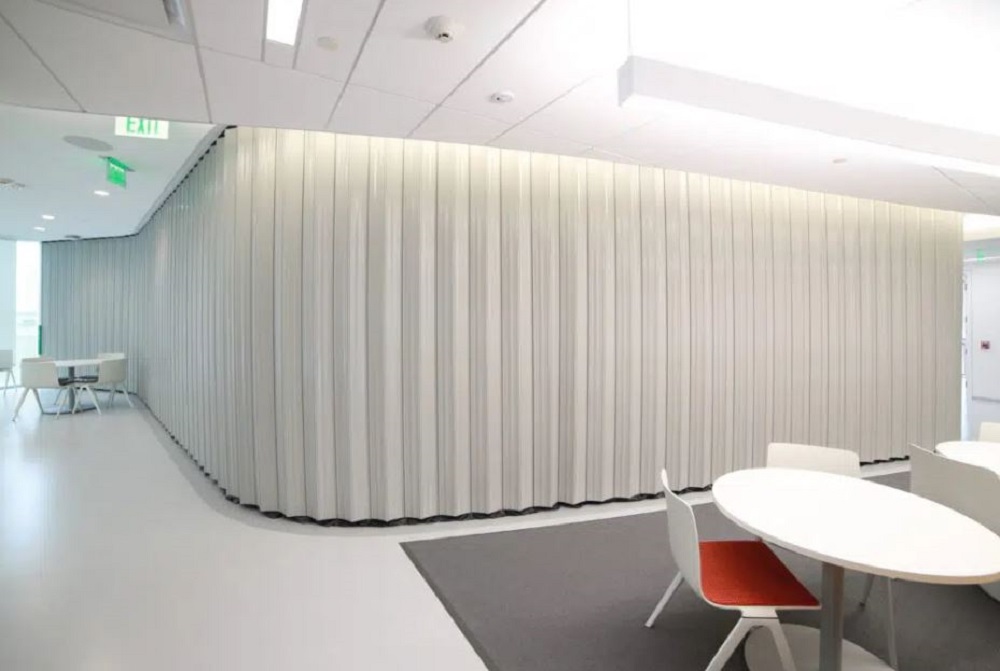
Security folding doors are ideal for educational spaces that require both openness and control. They are commonly installed in hallways, cafeterias, libraries, and multi-use rooms. These doors can be deployed quickly to secure wide openings during emergencies. When folded away, they preserve clear sightlines and open circulation paths. Some schools work with contractors like Won-Door to get a folding school security door to have large interior openings efficiently. Their design allows schools to adapt spaces without permanent barriers. This flexibility makes them especially valuable in dynamic learning environments.
Automatic Sliding Doors
Automatic sliding doors are frequently used at main entrances and high-traffic areas. They improve accessibility for students, staff, and visitors with mobility needs. These doors help control entry flow while reducing congestion during busy hours. Many systems integrate with access control and security monitoring tools. Automatic doors can also be programmed to lock or restrict access during emergencies. Their smooth operation supports both safety and convenience. As a result, they contribute to a secure yet welcoming campus entry experience.
Reinforced Exterior Doors
Reinforced exterior doors serve as the first line of defense for school buildings. They are built to withstand harsh weather conditions and physical impact. These doors help protect against forced entry from outside threats. Reinforced designs often include heavy-duty frames and secure locking mechanisms. Many are tested to meet strict safety and durability standards. They also support energy efficiency by reducing drafts and heat loss. Strong exterior doors help schools maintain secure building perimeters at all times.
Panic Exit and Emergency Doors
Panic exit and emergency doors are essential for safe evacuation during emergencies. These doors are designed to open quickly with minimal effort. Panic hardware allows large groups to exit safely without confusion. Such doors are commonly installed in auditoriums, gyms, and lecture halls. They must meet strict fire and safety code requirements. Clear signage and reliable hardware ensure proper use during high-stress situations. These doors play a critical role in protecting lives during emergencies.
Conclusion
Smart security door choices are essential for creating safe and effective educational environments. From classrooms to entire campuses, each door type serves a specific purpose. When selected thoughtfully, security doors support both safety and daily operations. Schools benefit from solutions that adapt to changing needs without sacrificing accessibility. Investing in the right door systems also helps institutions meet safety regulations and emergency preparedness goals. A well-secured facility promotes confidence among students, staff, and families. Ultimately, strong security measures allow learning to remain the top priority.
 Businize