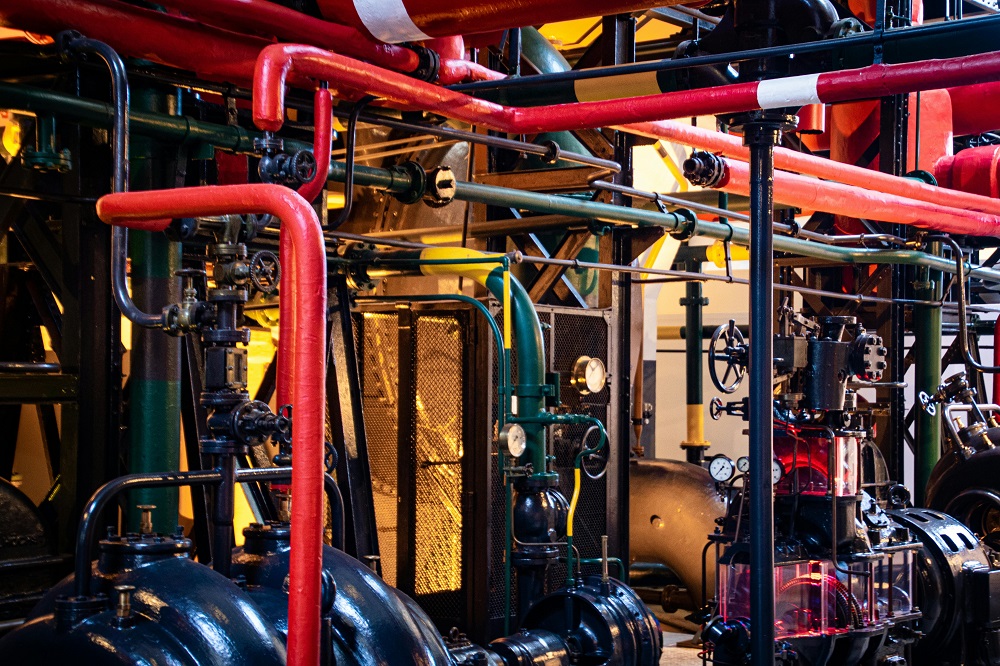
Heat pumps have become one of the most practical solutions for improving energy efficiency across a wide range of industrial operations. Many facilities are turning to this technology because it offers a cleaner, more reliable way to manage heating and cooling demands. As industries continue to adopt sustainable practices, the role of heat pumps becomes even more important. These systems work by transferring heat rather than generating it, making them significantly more efficient than traditional equipment.
With ongoing advancements, heat pumps are now capable of handling large-scale industrial needs more effectively than before. Companies exploring innovative system designs often find that modern heat pumps can support long-term operational improvements.
Reduced Energy Consumption
Heat pumps consume far less energy than conventional heating systems because they move heat instead of creating it through combustion. This operating method makes them a highly efficient option for facilities that require both heating and cooling. Many industries use significant amounts of energy each day, so switching to heat pumps can lead to noticeable reductions in overall utility usage. By maintaining steady temperature control, these systems help eliminate energy waste from inconsistent or outdated equipment.
Over time, facilities see lower operating costs, which can positively impact production budgets. Even small improvements in energy efficiency add up when spread across large-scale operations. As more facilities explore these upgrades, different questions arise—like how evolving system designs and more which mostly answer by many providers like Dalrada Climate Tech. They also emphasize the importance of ongoing maintenance and monitoring to ensure long-term efficiency gains.
Lower Operational Costs
When industrial facilities adopt heat pumps, they often experience a steady drop in their monthly energy expenses. Because the systems rely on transferring thermal energy, they operate more efficiently than many traditional HVAC units. Reduced energy consumption immediately translates to lower utility bills across the facility. Businesses also save money by eliminating the need for multiple separate heating and cooling systems.
Maintenance costs tend to be lower as well, thanks to the simpler mechanical design of modern heat pumps. As equipment lasts longer and performs more consistently, facilities spend less on replacements and emergency repairs. Over the long run, these financial advantages make heat pumps a practical and cost-effective investment.
Improved Temperature Control
Industrial environments depend on consistent temperature management to maintain product quality, worker comfort, and safe equipment operation. Heat pumps provide reliable heating and cooling that help eliminate fluctuations caused by older systems. This consistency is especially important in industries that require precise environmental conditions, such as food processing or pharmaceuticals.
Because heat pumps can reverse their function, they handle varying seasonal demands without switching between separate units. This flexibility allows facilities to maintain stable conditions year-round without unnecessary energy usage. Improved temperature control also supports better workflow efficiency and smoother production cycles. Overall, facilities benefit from a more dependable and controlled environment.
Lower Carbon Emissions
Heat pumps contribute to reduced carbon emissions because they rely on electricity rather than fossil fuel combustion. This shift to cleaner energy sources helps industries lower their environmental footprint without sacrificing performance. For many companies, reducing emissions is part of broader sustainability commitments and regulatory requirements.
Heat pumps make it easier to meet these goals by dramatically improving system efficiency. When combined with renewable energy sources, their impact on emissions becomes even more significant. As industries strive to operate more responsibly, equipment choices like this play a major role in long-term environmental strategies. Lower emissions also reflect positively on brand reputation and public trust.
Versatility Across Applications
One of the biggest advantages of industrial heat pumps is their ability to support a wide range of applications. Whether used for space heating, cooling, water heating, or process temperature control, they offer dependable performance. This versatility allows facilities to streamline equipment needs by replacing multiple systems with a single, multifunctional solution.
Heat pumps can also be adapted to different facility sizes and production requirements. Their ability to scale makes them suitable for small workshops and large industrial plants alike. Because they integrate well with automation and modern control systems, they enhance operational consistency. This adaptability makes heat pumps a practical choice for industries seeking flexible and efficient solutions.
Enhanced Equipment Longevity
Heat pumps generally experience less wear and tear compared to combustion-based heating systems. Their simpler method of transferring heat reduces strain on components, extending the lifespan of the equipment. Longer-lasting units mean fewer replacements and less downtime for industrial facilities.
Maintenance schedules become easier to manage because the systems require less frequent servicing. This reliability supports continuous operations, which is essential in production environments where delays can be costly. Over time, the durability of heat pumps contributes to lower total ownership costs. Industries benefit from both dependable performance and long-term financial savings.
Support for Sustainability Goals
Many industrial companies are prioritizing sustainability as part of their long-term operational plans. Heat pumps align well with these goals because they help facilities reduce energy consumption and carbon emissions. Their efficiency allows companies to operate more responsibly without compromising production needs. As environmental regulations evolve, heat pumps make compliance easier by offering cleaner and more efficient temperature control options.
Companies also find that eco-friendly upgrades can improve their public image and customer trust. Choosing sustainable systems demonstrates a commitment to future-focused operations and environmental responsibility. Heat pumps support these efforts by delivering reliable performance with minimal environmental impact.
Conclusion
Heat pumps continue to play a growing role in helping industrial facilities operate with greater efficiency, reliability, and environmental responsibility. Their ability to reduce energy consumption, lower operating costs, and support stable temperature control makes them a smart long-term investment for many industries.
As companies place more emphasis on sustainability, heat pumps offer a practical pathway toward meeting modern efficiency standards. Their durability and adaptability also make them suitable for a wide variety of industrial applications. With ongoing advancements in technology, heat pumps are expected to become even more capable in large-scale operations. Facilities that adopt these systems today can benefit from improved performance and long-term savings.
Overall, heat pumps provide a forward-thinking solution that supports both operational demands and future sustainability goals.
 Businize