Tag: technology

  • 5 Technology Upgrades That are Changing the Customer Experience

    5 Technology Upgrades That are Changing the Customer Experience

    Customer expectations are evolving faster than ever. Businesses are turning to technology not just to keep up, but to create memorable experiences that build loyalty and trust. From personalized interactions to seamless transactions, these upgrades are reshaping how customers engage with brands.

    Let’s explore five innovations that are making the biggest impact today.

    Self-Service Kiosks That Empower Customers

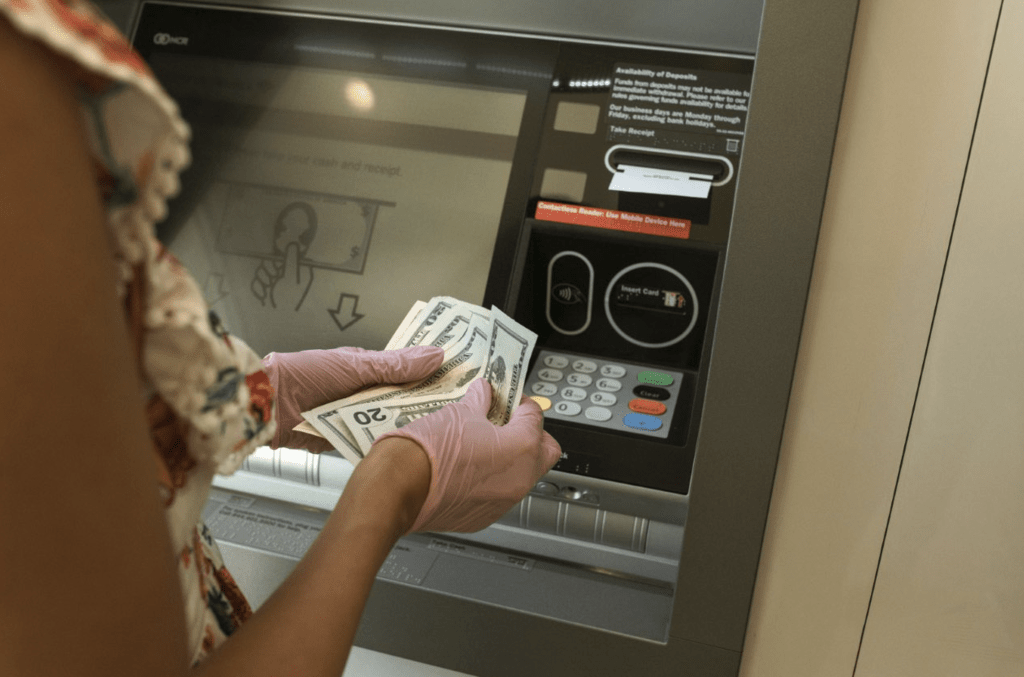
    Self-service technology has become a cornerstone of modern customer experience. Kiosk machines allow customers to complete tasks quickly, whether it’s checking in at a hotel, ordering food at a restaurant, or making a payment at a bank. These systems reduce wait times, improve accuracy, and give customers more control over their interactions. Businesses benefit too, as kiosks streamline operations and free up staff to focus on more complex needs.

    For example, kiosk machines, like those offered by Financial Equipment Company, are designed to handle secure transactions while providing a user-friendly interface. By combining convenience with reliability, they help businesses deliver service that feels both efficient and personalized. As customers grow accustomed to self-service in everyday life, kiosks are becoming a standard expectation rather than a novelty.

    AI-Powered Chatbots That Provide Instant Support

    Artificial intelligence is transforming customer service through chatbots that can respond instantly, 24/7. These tools are no longer limited to answering basic questions. Advanced chatbots can guide customers through troubleshooting, recommend products, and even process orders. The result is faster resolution times and less frustration for customers who want immediate answers.

    Businesses gain valuable insights from chatbot interactions, using data to refine their offerings and anticipate customer needs. While human support remains essential for complex issues, AI-powered chatbots ensure that customers never feel ignored. This blend of automation and human care creates a smoother, more supportive experience.

    Personalized Recommendations Driven by Data

    Personalization has moved beyond simply addressing customers by name. Today, businesses use advanced analytics to understand preferences and behaviors, tailoring recommendations that feel relevant and timely. Whether it’s suggesting a new product based on past purchases or customizing a loyalty offer, personalization makes customers feel valued.

    Retailers, streaming services, and even financial institutions are leveraging data-driven insights to deliver experiences that resonate. When customers see that a brand understands their needs, they are more likely to engage and return. This technology upgrade is not just about selling more—it’s about building stronger relationships through meaningful interactions.

    Mobile Payment Solutions That Simplify Transactions

    The rise of mobile wallets and contactless payments has revolutionized how customers complete purchases. Convenience is key: customers can pay with a tap, scan, or even a smartwatch. This speed and simplicity reduce friction at checkout, making transactions smoother and more enjoyable.

    For businesses, mobile payment solutions also enhance security and reduce the need for physical cash handling. As more consumers adopt digital wallets, companies that embrace mobile payments position themselves as modern and customer-focused. This upgrade is especially impactful in industries where speed and efficiency are critical, such as retail, dining, and transportation.

    Customer Relationship Management (CRM) Systems

    Behind every great customer experience is a system that keeps track of interactions, preferences, and history. Cloud-based CRM platforms allow businesses to access this information in real time, across multiple channels. This means that whether a customer reaches out via phone, email, or social media, the business can respond with context and continuity.

    Cloud CRMs also enable collaboration across teams, ensuring that marketing, sales, and support are aligned. Customers benefit from consistent communication and personalized service, while businesses gain the agility to adapt quickly. By centralizing data and making it accessible, cloud CRMs elevate the customer experience from fragmented to seamless.

    Conclusion

    Technology upgrades are no longer optional—they are essential for businesses that want to meet rising customer expectations. Self-service kiosks, AI chatbots, personalized recommendations, mobile payments, and cloud-based CRMs each play a unique role in shaping modern interactions. Together, they create experiences that are faster, smarter, and more engaging.

    As customers continue to demand convenience and personalization, businesses that invest in these innovations will stand out. The future of customer experience is being built today, one upgrade at a time.

  • From Classrooms to Campuses: Smart Security Door Choices for Education Facilities

    From Classrooms to Campuses: Smart Security Door Choices for Education Facilities

    Educational facilities face unique security challenges that evolve as students move from classrooms to larger campus environments. Schools must protect young learners while maintaining welcoming and accessible spaces for education. Security doors play a vital role in managing movement, preventing unauthorized access, and supporting emergency response plans.

    Modern door solutions are designed to balance safety with everyday usability. Choosing the right doors also helps schools comply with safety regulations and building standards. From small learning spaces to high-traffic common areas, door selection matters. Below are smart security door options that support safer and more functional education facilities.

    Solid Core Classroom Doors

    Solid-core classroom doors are a foundational security feature in many educational buildings. They are constructed with dense materials that resist impact and forced entry. These doors help create a safer environment during lockdowns or emergency situations. Solid core doors also reduce noise transfer, allowing students to focus better during lessons. Many designs are compatible with reinforced frames and advanced locking systems. Fire-rated options add another layer of protection for staff and students. Overall, they provide dependable security without disrupting the classroom atmosphere.

    Access-Controlled Entry Doors

    Access-controlled entry doors help schools manage who can enter specific areas on campus. These systems often use keycards, fobs, or digital credentials to regulate access. By limiting entry points, schools can reduce the risk of unauthorized visitors. This is especially helpful for administrative offices, laboratories, and staff-only areas. Access data can also support incident reviews and safety audits when needed. These doors can be programmed to adjust permissions based on schedules or roles. As a result, access-controlled doors improve security while maintaining operational flexibility.

    Security Folding Doors

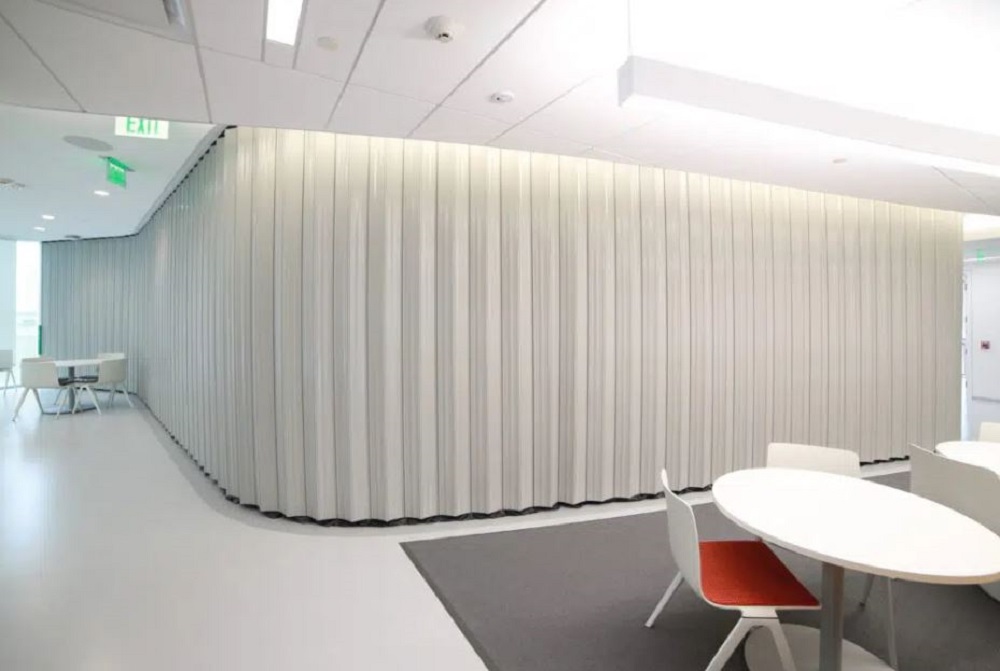
    Security folding doors are ideal for educational spaces that require both openness and control. They are commonly installed in hallways, cafeterias, libraries, and multi-use rooms. These doors can be deployed quickly to secure wide openings during emergencies. When folded away, they preserve clear sightlines and open circulation paths. Some schools work with contractors like Won-Door to get a folding school security door to have large interior openings efficiently. Their design allows schools to adapt spaces without permanent barriers. This flexibility makes them especially valuable in dynamic learning environments.

    Automatic Sliding Doors

    Automatic sliding doors are frequently used at main entrances and high-traffic areas. They improve accessibility for students, staff, and visitors with mobility needs. These doors help control entry flow while reducing congestion during busy hours. Many systems integrate with access control and security monitoring tools. Automatic doors can also be programmed to lock or restrict access during emergencies. Their smooth operation supports both safety and convenience. As a result, they contribute to a secure yet welcoming campus entry experience.

    Reinforced Exterior Doors

    Reinforced exterior doors serve as the first line of defense for school buildings. They are built to withstand harsh weather conditions and physical impact. These doors help protect against forced entry from outside threats. Reinforced designs often include heavy-duty frames and secure locking mechanisms. Many are tested to meet strict safety and durability standards. They also support energy efficiency by reducing drafts and heat loss. Strong exterior doors help schools maintain secure building perimeters at all times.

    Panic Exit and Emergency Doors

    Panic exit and emergency doors are essential for safe evacuation during emergencies. These doors are designed to open quickly with minimal effort. Panic hardware allows large groups to exit safely without confusion. Such doors are commonly installed in auditoriums, gyms, and lecture halls. They must meet strict fire and safety code requirements. Clear signage and reliable hardware ensure proper use during high-stress situations. These doors play a critical role in protecting lives during emergencies.

    Conclusion

    Smart security door choices are essential for creating safe and effective educational environments. From classrooms to entire campuses, each door type serves a specific purpose. When selected thoughtfully, security doors support both safety and daily operations. Schools benefit from solutions that adapt to changing needs without sacrificing accessibility. Investing in the right door systems also helps institutions meet safety regulations and emergency preparedness goals. A well-secured facility promotes confidence among students, staff, and families. Ultimately, strong security measures allow learning to remain the top priority.

  • 5 Display Solutions Every Retailer Should Know About

    5 Display Solutions Every Retailer Should Know About

    Retail is a fast-moving industry where presentation often makes the difference between a sale and a missed opportunity. Customers are drawn to stores that feel organized, engaging, and easy to navigate. Display solutions are not just about aesthetics—they are powerful tools that influence buying decisions and strengthen brand identity.

    In this article, we’ll share display strategies that can help maximize space, highlight products, and create memorable shopping experiences.

    Digital Signage That Captures Attention

    Digital signage has become one of the most effective ways to communicate with customers in real time. Screens placed strategically throughout a store can showcase promotions, highlight new arrivals, or even share brand stories. Unlike static posters, digital signage allows retailers to update content instantly, keeping messaging fresh and relevant. This flexibility is especially valuable during seasonal campaigns or flash sales when timing is critical.

    Beyond promotions, digital signage can also enhance customer engagement. Interactive displays let shoppers explore product details, watch demonstrations, or even compare features without needing assistance. This not only improves the shopping experience but also reduces pressure on staff. For retailers, investing in digital signage means staying adaptable and ensuring that customers always have access to the most current information.

    Sign Technology for Pricing and Product Labels

    Clear and accurate labeling is essential in retail, and this is where sign technology plays a vital role. Modern sign technology allows retailers to create professional product and shelf labels that communicate pricing, promotions, and product details with precision. Well-designed signs reduce confusion, build trust, and make shopping easier for customers.

    Retailers can use sign technology to highlight discounts, bundle offers, or limited-time deals in ways that are visually appealing and easy to read. Consistency in signage also reinforces brand identity, making the store environment feel polished and reliable. When customers can quickly identify prices and product information, they are more likely to make confident purchasing decisions. For managers and business owners, this translates into smoother operations and stronger customer satisfaction.

    Window Displays That Tell a Story

    The storefront is often the first impression a customer has of a retail business. Window displays are powerful storytelling tools that can spark curiosity and draw people inside. A well-crafted window display does more than show products—it creates an emotional connection by presenting a theme, lifestyle, or seasonal mood.

    Retailers who invest in creative window displays often see increased foot traffic. For example, a fashion retailer might use mannequins styled with seasonal outfits, complemented by props that evoke a particular lifestyle. A home goods store might design a cozy living room scene to inspire customers. These displays act as silent salespeople, inviting shoppers to imagine themselves using the products. By refreshing window displays regularly, retailers can keep their storefronts dynamic and encourage repeat visits.

    Endcap Displays That Drive Impulse Buys

    Endcaps—those product displays at the ends of aisles—are prime real estate in any store. They naturally catch the eye of shoppers as they move through the space, making them ideal for promoting high-margin items, seasonal products, or special offers. Endcap displays are effective because they interrupt the shopping flow in a positive way, encouraging impulse purchases.

    Retailers can use endcaps to spotlight new arrivals or cross-promote related products. For example, a grocery store might place chips and dips together on an endcap before a major sports event. A beauty retailer might showcase skincare bundles during colder months. The key is to design endcaps that are visually appealing, easy to browse, and aligned with customer needs. When done well, endcap displays not only boost sales but also enhance the overall shopping journey.

    Interactive Product Displays That Educate Shoppers

    Customers today want more than just products on shelves—they want experiences. Interactive product displays provide opportunities for shoppers to engage directly with merchandise. Whether it’s testing electronics, sampling beauty products, or exploring furniture through augmented reality, these displays help customers make informed decisions.

    Interactive displays also build trust by allowing customers to see and feel the value of a product before buying. For retailers, this reduces returns and increases satisfaction. Technology-driven solutions, such as touchscreens or QR codes, can add another layer of engagement by offering tutorials, reviews, or complementary product suggestions. By blending education with interaction, retailers create memorable experiences that encourage loyalty and repeat business.

    Conclusion

    Retail success depends on more than just stocking shelves—it’s about creating environments that inspire and guide customers. Digital signage, sign technology, window displays, endcap setups, and interactive product experiences are five display solutions that every retailer should know about.

    Each one plays a unique role in shaping customer perception and driving sales. By adopting these strategies, retail managers and business owners can build stores that feel modern, welcoming, and effective. The right displays not only showcase products but also tell stories, build trust, and encourage customers to return again and again.

  • Timeless Retail Practices That Still Guide Today’s Smart Consumers

    Timeless Retail Practices That Still Guide Today’s Smart Consumers

    Retail continues to evolve, but many traditional practices remain just as influential today as they were decades ago. These timeless methods help shoppers feel more confident, informed, and connected during their purchasing journey. Below, we explore several classic retail strategies that still shape smart consumer decisions—proving that sometimes, old-school really is the best school.

    Handwritten Shopping Lists Still Keep Buyers Organized

    Handwritten shopping lists may feel old-fashioned, but they continue to be one of the simplest ways for consumers to stay focused while shopping. Many shoppers appreciate the tangibility of writing things down, which often makes remembering easier. Despite digital alternatives, the pen-and-paper method helps reduce impulsive purchases.

    It also encourages consumers to plan ahead and compare what they truly need. Retailers often notice that list-makers tend to navigate stores more efficiently. This practice also supports budget control and purposeful buying. In a world full of digital distraction, this traditional method remains remarkably dependable.

    In-Store Assistance Builds Trust and Better Decisions

    Reliable customer assistance has always been a core component of retail, and that hasn’t changed. Many consumers still prefer speaking with knowledgeable staff when choosing products. Personal recommendations provide clarity, especially for items with multiple features or variations. This interaction helps bridge the gap between overwhelming choices and informed decision-making.

    Shoppers often feel more confident when they can ask questions and receive tailored guidance. Experienced retail workers can also help customers compare products more effectively. Even as digital self-service grows, human connection remains a timeless tool for delivering clarity.

    Product Signs and Labels Help Shoppers Navigate with Ease

    Clear product signs and labels have guided customers for generations, helping them identify items without confusion. Even in modern stores, well-designed signage continues to influence purchasing decisions by presenting key details quickly. This includes information such as pricing, features, origin, and intended use.

    Many consumers rely on these visual cues to compare products without needing assistance. The role of companies like label technology illustrates how consistent and readable signage supports smoother shopping experiences. Strong labeling also reduces misunderstandings and enhances store navigation. No matter how digital retail becomes, clear product information remains essential.

    Product Demonstrations Offer Real-World Insight

    Product demonstrations have long been used to show shoppers how items perform in real life. Whether it’s kitchen equipment, electronics, or personal care tools, seeing a product in action offers reassurance. This hands-on approach reduces uncertainty and lets customers assess value more clearly.

    Demonstrations also create interactive moments that elevate the in-store experience. They help shoppers understand functionality that might not be obvious from packaging alone. Many consumers still prefer trying before buying, especially for higher-priced items. Even with online videos available, in-person demos continue to provide unmatched authenticity.

    Traditional Loyalty Habits Still Influence Buying Patterns

    Before digital reward programs, shoppers developed habits that strengthened their connection to favorite stores. Familiarity with certain brands or retailers often built trust through repeated positive experiences. Many customers still choose stores based on long-term comfort rather than special promotions. This sense of consistency helps consumers make decisions with less hesitation.

    Traditional loyalty is shaped by reliability, customer service, and dependable product quality. These deep-rooted behaviors continue to influence shopping even without digital incentives. For many, their loyalty is guided by emotional connection and practical experience.

    Conclusion

    While retail continues to expand into the digital world, many long-standing practices remain at the heart of smart shopping. From the simplicity of handwritten lists to the clarity of well-designed product labels, these time-tested methods offer comfort and reliability. Consumers still appreciate the guidance, transparency, and confidence that come from traditional approaches. By blending old techniques with new innovations, retailers can continue to support shoppers in meaningful ways.

  • What to Look for in a 3PL Provider

    Choosing the right third-party logistics (3PL) provider can either make your e-commerce business smoother or become a constant headache. If you’re evaluating options, there are a few key things to keep in mind. Not all providers are created equal, and your choice directly impacts your customer experience, operations, and overall growth.

    A strong e-commerce fulfillment service should feel like an extension of your team. At Save Rack, we’ve built our entire operation around supporting businesses just like yours. So, what should you look for in a 3PL?

    1. Seamless Integration
    You shouldn’t have to jump through hoops to sync your store. Look for a provider that offers seamless integration with major platforms, without added fees. Save Rack connects with over 100 marketplaces, ensuring real-time inventory updates and order tracking without tech headaches.

    2. Speed and Accuracy
    Customers expect fast shipping and correct orders every time. Save Rack’s e-commerce fulfillment service offers same-day shipping and a high accuracy rate because we know how critical speed and precision are in building trust.

    3. Transparent Pricing and No Hidden Fees
    No one likes surprise charges. Choose a provider who’s upfront about their pricing. Our clients appreciate that Save Rack keeps things simple and honest, just how business should be.

    4. Customer Support Thay Supports
    When you have questions, you deserve real answers—not automated replies. Save Rack prides itself on responsive, human-centered support. Because let’s face it, you can’t afford to wait when something needs attention.

    5. Flexibility and Scalability
    Your fulfillment needs today might not be your needs next year. The right 3PL partner grows with you. Save Rack started in Florida as a small company with big ambitions, so we understand scaling firsthand.

    6. Reputation and Values
    Finally, look beyond just logistics. Do they value Trust, Accountability, Communication, and Customer Experience? We do, and it shows in every order we fulfill.

    Choosing the right e-commerce fulfillment service is about more than shipping—it’s about finding a partner who understands your business. At Save Rack, we’re committed to making your life easier while keeping your customers happy.

    Want to learn more? Give us a call at 515-717-0429 and let’s talk about how Save Rack can help simplify your fulfillment.

    This article was written by a professional at Save Rack, a trusted 3PL fulfillment provider offering temperature-controlled warehousing, real-time inventory management, and seamless integration with 100+ platforms. With a 3PL Fulfillment Center Forida, they help ecommerce businesses scale with ease.

Design a site like this with WordPress.com
Get started